
The purpose of corporate team building activities is simple – they bring employees and colleagues together via shared experiences that serve to improve communication, collaboration, trust, and team bonding.
Team building is serious business, but the activities and exercises that make up an event need to be fun so that participants engage fully with them.
That’s why team building activities typically feature a lively mix of fun challenges, problem-solving tasks, creative activities, and social interaction.
Below, we take a closer look at just what you can expect from a team building session.
Main takeaways: key benefits of team building activities
- Boosted communication: Team-based activities encourage colleagues to share ideas, listen attentively to each other, and come up with effective ways of working as a group.
- Stronger relationships: Stronger bonds and relationships are a key benefit of this type of activity, as working together outside normal work routines helps colleagues build trust and understanding.
- Uptick in employee morale: By investing in a team-based event, you are signalling to workers that you care about their well-being, boosting staff morale and motivation.
How do corporate team building activities work?
A typical team building session features a straightforward, usually tripartite, structure.
You can expect an opening section, the ‘meet-and-greet’, where expectations are set, and invitees are generally put at ease.
The second part is where the fun and games start, and where the participants are expected to get down to business.
In the third and final part, a wrap-up and reflection session is often hosted.
Here, the facilitator summarises what happened during the day, dishes out prizes and awards, and encourages participants to reflect on what they have learnt and achieved.

What can you expect them to involve?
There are all manner of corporate team building activities out there, but they all share a similar working model and premise.
Employees are brought together – either in person or online – and are encouraged to work together through problem-solving challenges, game shows, cooking classes, creative workshops, outdoor adventures, or competitive events.
The type of activities that feature in the event are determined by what the organisation hosting is looking to achieve.
In order to make the most of a team building session, you need to ask yourself and potential event organisers a few questions – these will determine what type of activities you put on.
What are you looking to get out of it?
Are you trying to improve inter-colleague communication? Build relationships within a new or an existing team? Or simply reward them for their efforts?
By understanding what you want to get out of a team building session, you can find the activities and exercises that allow you to realise your aims.
What are your team’s expectations?
The other side of the coin is also worth considering, as people are more inclined to engage with an activity if they feel their thoughts and feelings have been taken into consideration.
The most enjoyable and productive team building activities provide opportunities for fun but also address real gaps in participants’ talents or skill sets.
What should be included at a minimum?
At a minimum, any team building activity should include clear objectives, a structured agenda, and experienced facilitators who can engage participants to encourage collaboration.
Can you tailor a team building activity?
A reputable events company will generally allow you to use your company branding and logos, come up with team-based challenges that reflect your business values and use activities that are focused on your particular goals and objectives.
What can you realistically expect from a reputable provider?
The outcomes from a team building session can vary, but in general you can expect your participants to come away with better inter-colleague communication, more robust working relationships and trust levels, and increased staff morale and engagement.

What are the best types of corporate team building activities to get involved with?
Traditional activities like quizzes and simple icebreakers still have a place in team building, but over the past few years the space has moved on to serving up more unique activities.
Often this means sessions are now built around experiential activities that require participants to use their brains as well as their bodies.
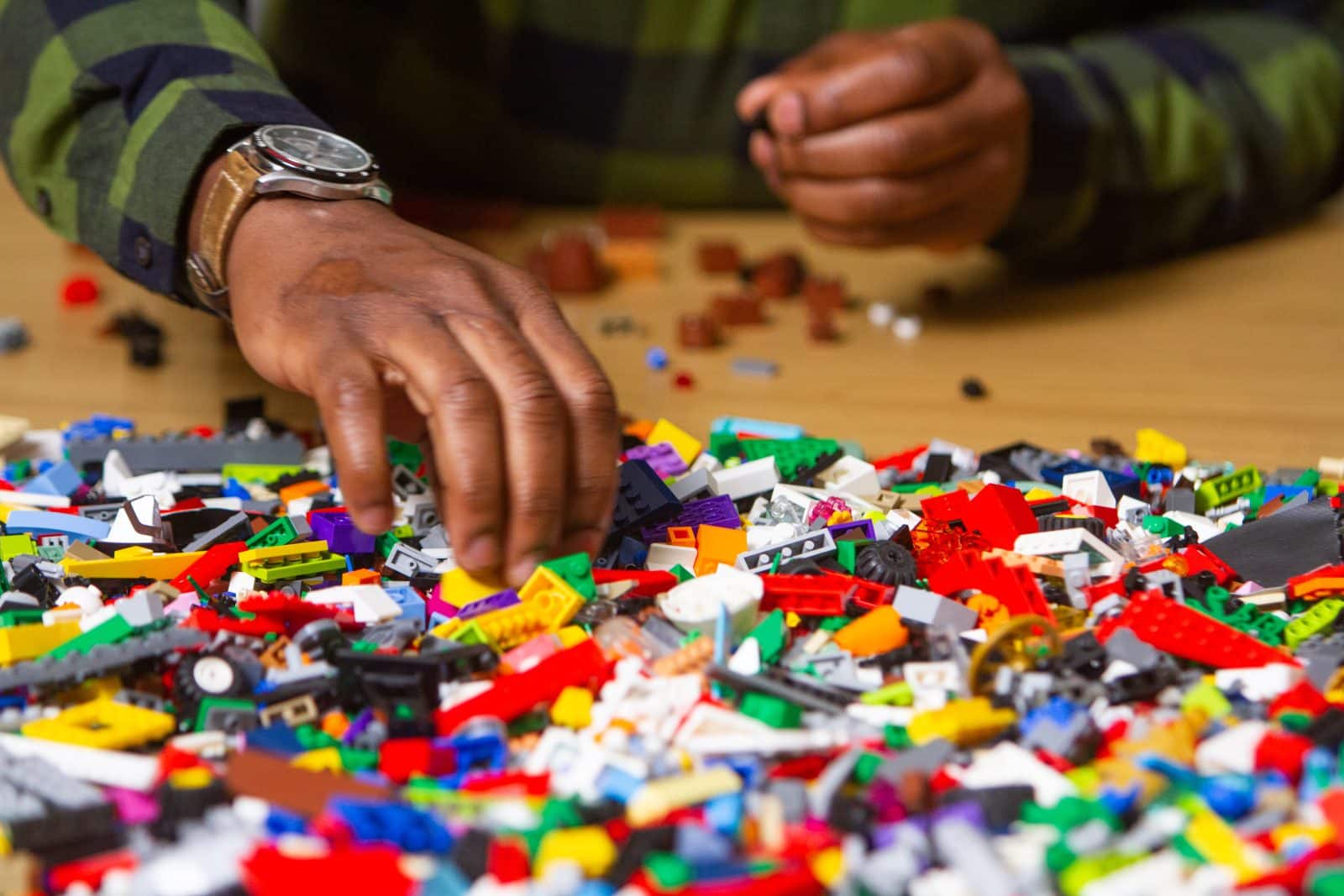
A good example is immersive LEGO-themed events, which lean into our nostalgia for those little plastic bricks and can be put to use in a multitude of challenges, promoting communication, creativity, and interpersonal relationships.
Conclusion
It’s easy to opt for the easy option when it comes to team building sessions, but going the extra mile and giving participants something unique and memorable will pay dividends.
The more immersive, engaging and unique a corporate event is, the more it’s likely to draw on participants’ skills and produce lasting results.
Wondering where to start? Our team building activities are fun, engaging, and completely different to what many teams consider when they’re tasked with booking a team building workshop. Contact us to learn more about what we do and how we can help.